MVCC supports the Midnight Restoration Project

Clean Air, Warm Homes: Now Accepting Applications for Woodsmoke Reduction Program
October 30, 2025
It’s awfully wet but where’s the snow?
December 19, 2025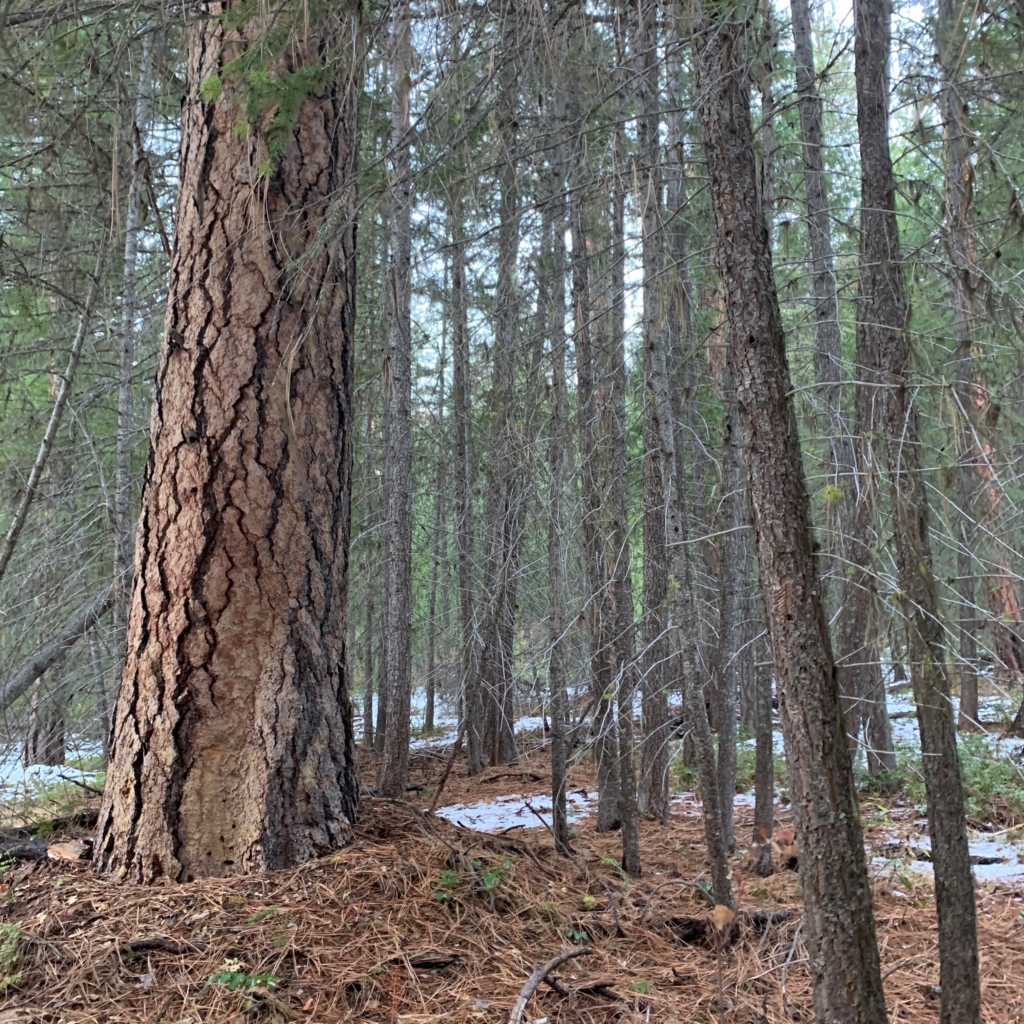
We’ve also filed a constructive objection
A broad consensus of forest and fire ecology science supports the need for active forest restoration to occur on a landscape scale, to adapt our forests to climate change and increasingly severe wildfires. In continuing to support the Midnight Project and pushing it to be the best restoration project it can be, we are leaning into the collaborative process that inspired the development of this proposal. If implemented to the standard of the Final Environmental Assessment (EA) this project could be a model for how collaboration between the Forest Service and communities can make our forests more resilient over the long-term to the impacts of climate change. We’d like to recognize all the work the Methow Valley Ranger District staff has put into this project. In their final EA, they did address some of the community’s concerns, notably around retaining large trees.
To keep a seat at the table and continue to build constructive dialogue with the Methow Valley Ranger District and Okanogan-Wenatchee National Forest, MVCC also filed an objection (you can read it below) on December 8th to elevate previously raised concerns that were inadequately addressed in the draft and final EAs. Our hope is that we can demonstrate our support for the project while also pushing for accountability and clear communication from the Forest Service as the Project moves into implementation.
We know that the forested landscape within the Midnight Project, planned for the Upper Twisp Watershed, is close to the heart of many of our community members. We hike, bike and meander through these trees and meadows. This rich habitat is the home of countless animal neighbors. Concurrently, we recognize that modern humans have already played a very active role in managing these forests through nearly a century of fire suppression and selective logging (read our previously published in-depth interview with forest ecologist, Suan Pritchard, p. 5). As a result, some of our forests really do have too many trees (lots of small fir, not enough stately ponderosas), not enough regular, low-severity fire and too much risk for high severity, stand-replacing fires. The Midnight project will not immediately eliminate this high severity fire threat. We believe that it will—through strategic understory and overstory thinning and prescribed burning—help to bring the forest into a state of resilience that will be in a better condition to withstand the next hundred years of anticipated impacts from climate change that include fire, disease and drought.